Eric Moskowitz
Harvard Staff Writer
At the annual Volunteer Assembly, FAS dean pointed to a record applicant pool, high student satisfaction, and a mission to teach students in the age of AI “what are the right questions”
/ Read time: 3 minutes
Harvard Staff Writer

Calling financial aid an “evergreen priority” to be protected from any headwinds, Edgerley Family Dean of the Faculty of Arts and Sciences Hopi Hoekstra told a packed hall of alumni and parents that the enhancement to the aid program introduced last year had made the Class of 2030 “the best class ever.”
In a wide-ranging discussion before nearly 300 people at the annual Volunteer Assembly for the Harvard College Fund (HCF) and the Harvard Alumni Association, Hoekstra acknowledged that the superlative is a common autumnal refrain, when first-years bring fresh energy to campus.
“But this year it’s true, and there is something really sparkly about this class,” she said, noting they were the first to apply after Harvard expanded aid to make tuition free for families earning less than $200,000 a year, including covering all expenses for families earning below $100,000.
“This is something that we will never [pull back from], and that’s because it enables us to bring the most talented, the most promising, the most creative, the most curious students to campus, independent of their” families’ financial circumstances, Hoekstra said. “It’s that diversity that really makes our classrooms come to life.”
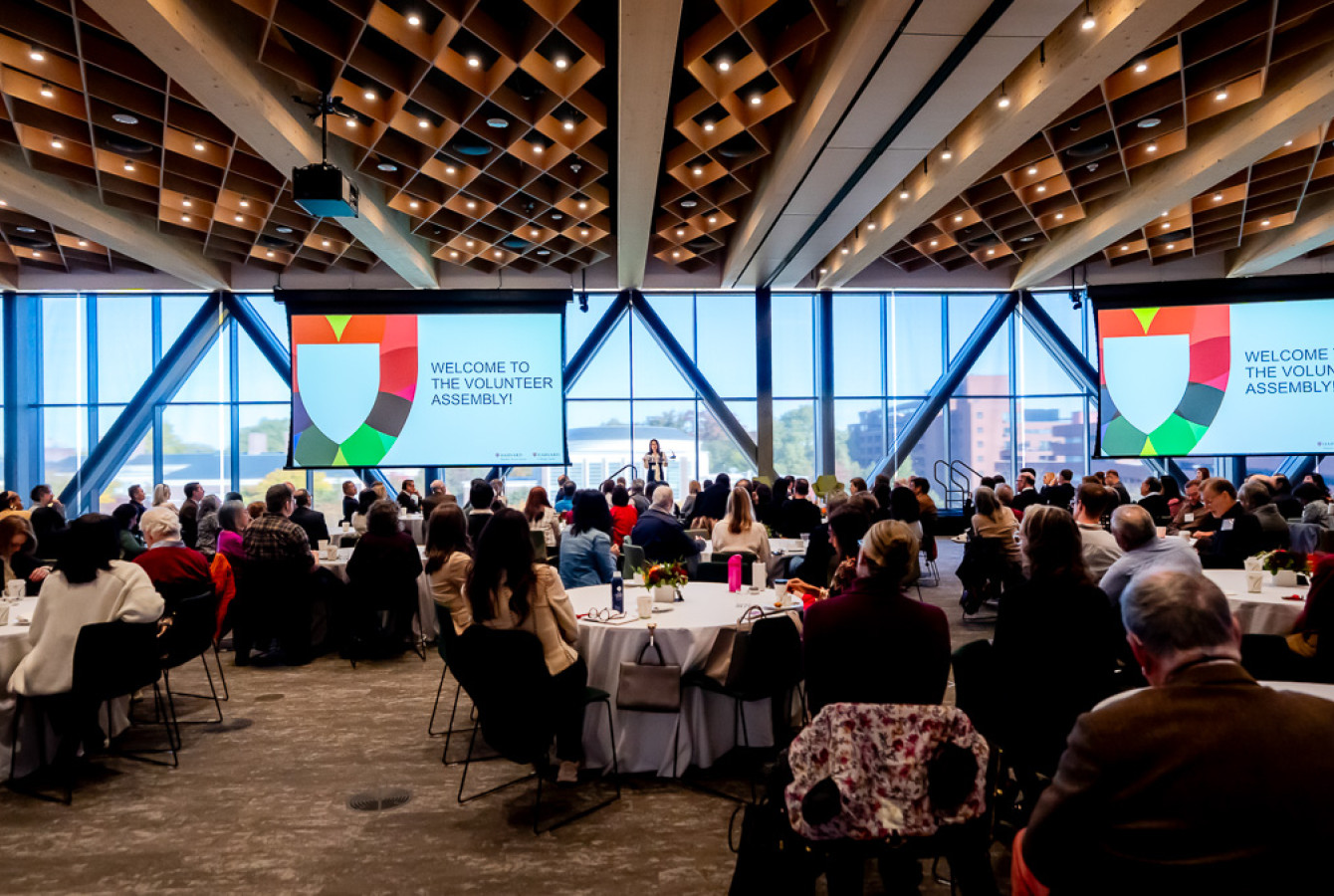

Hoekstra shared a series of notable figures. Applications rose 15 percent last year, making the applicant pool for the Class of 2030 the largest ever, not counting the pandemic period when Harvard College waived its standardized-test requirement.
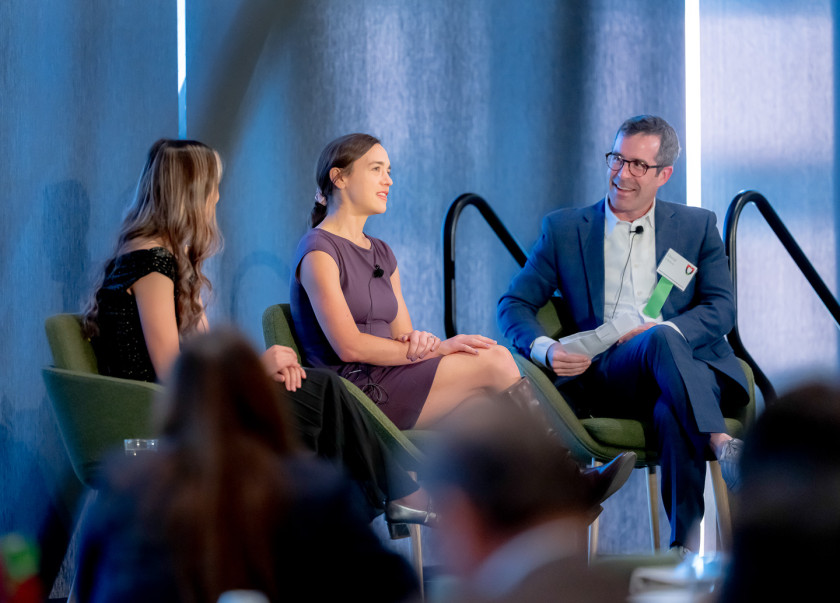
In a Q&A with Ravin Agrawal ’91, M.B.A. ’95, co-chair of HCF’s executive committee at the David Rubenstein Treehouse on Harvard’s Allston campus, Hoekstra tied the rise in applications and the caliber of the class to changes in campus culture — wide-ranging efforts to improve civil discourse and “recenter” academics — and rising student satisfaction, as well as to the expanded aid.
Amid the 95-plus percent of graduating seniors who completed the Class of 2026 senior survey, over 90 percent reported that they were satisfied with their undergraduate experience, the highest in two decades. (“Think about the last survey in which 90 percent of the survey participants were satisfied with anything!” Hoekstra said.) And for the second straight year, graduating seniors reported a 10 percent rise in their level of comfort speaking their minds on controversial topics.
“I like to think that … word has gotten out,” she said. “Students want to come here.”
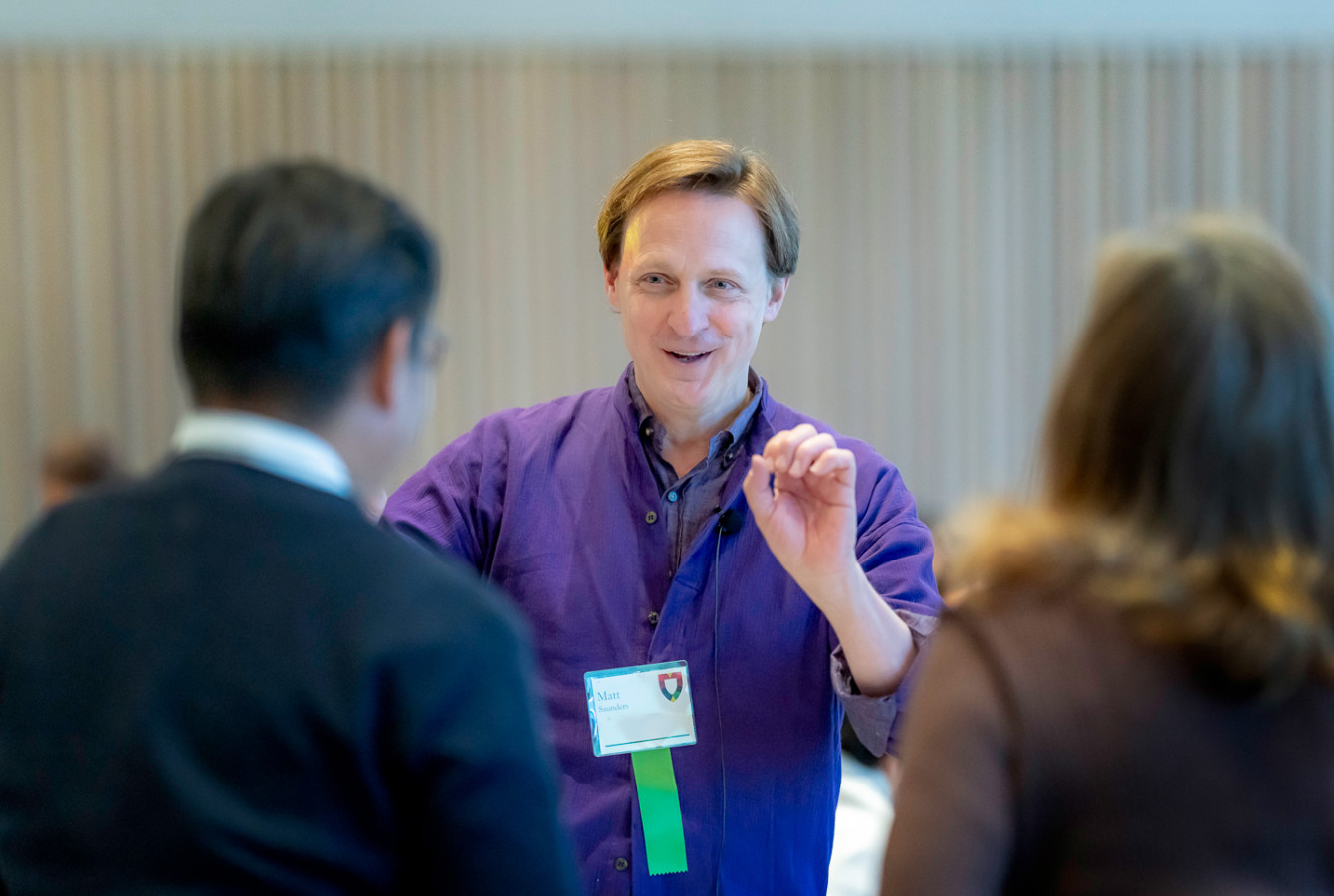
During the six-hour gathering, volunteers also attended sessions with faculty who discussed their research and pedagogy and heard from Dean of Science David Johnston and Ph.D. students about their current research.
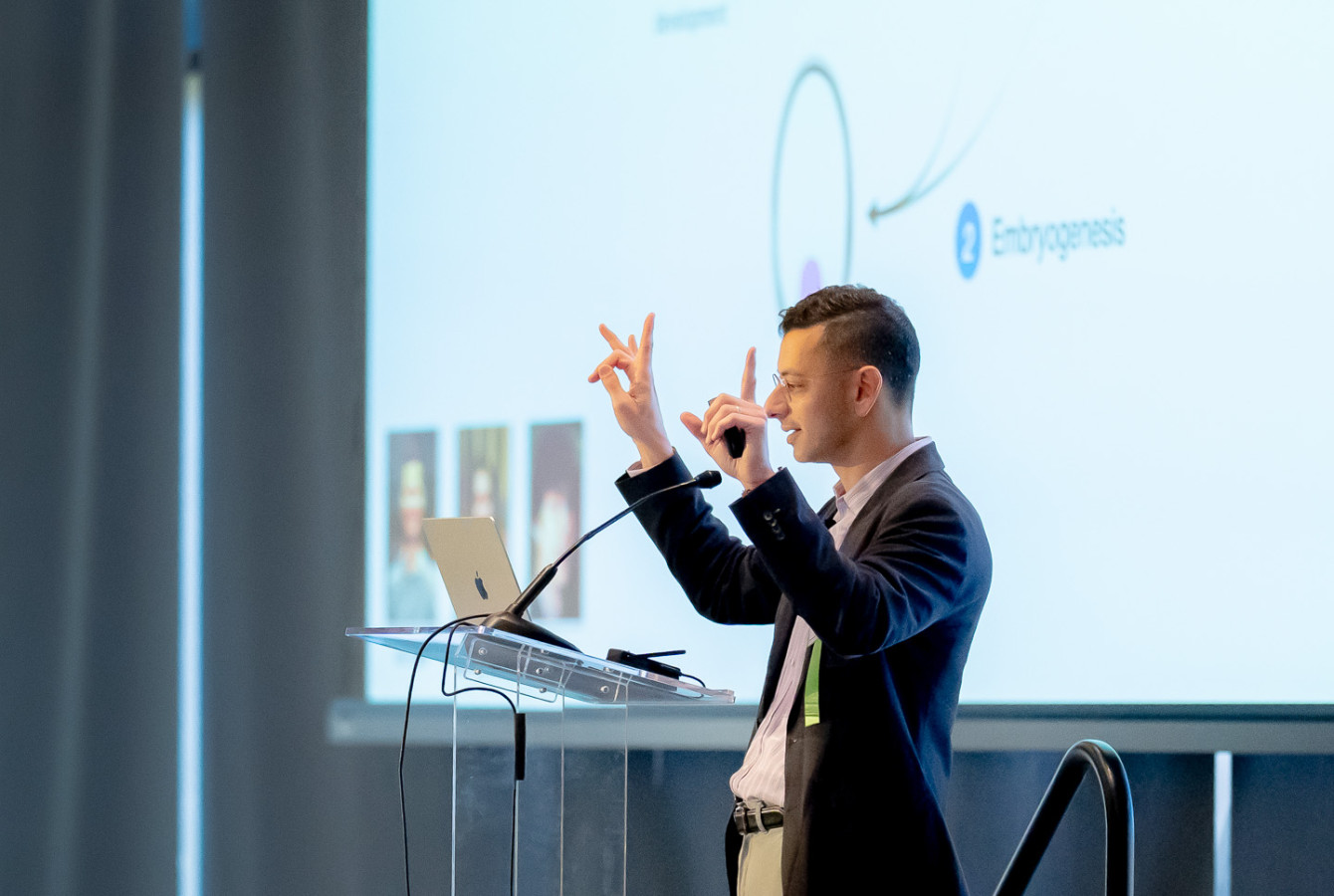
Hoekstra also detailed both the challenges and opportunities that AI poses to students and faculty, highlighting efforts from the Derek Bok Center for Teaching and Learning to harness AI to enhance classroom instruction and to make student assessments more equitable. This year, search requests for new faculty in the Division of Science are focused on hiring those who can pair academic-discipline expertise with experience applying AI to their disciplines.
Highlighting the continued need for philanthropy to support research, Hoekstra said federal research grants are down about 20 percent compared to a normal year.
“It’s hard to plan when you don’t know if your next grant is coming in,” she said, seeing it as an opportunity to reshape how the FAS supports scientific research. “I’m an irrepressible optimist and always try to find the silver lining in challenging times.” She described ways to incentivize thinking big and taking risks with internal research support.
Taking questions from the audience, Hoekstra was asked about Harvard’s competitive advantage at a complex moment for colleges and universities. This is an opportunity for Harvard to “really shine,” she said, by offering students “a broad-based education that focuses on humanistic values at the same time as technical” expertise, and by teaching them in the age of AI not “what to think” but “what are the right questions to ask.”
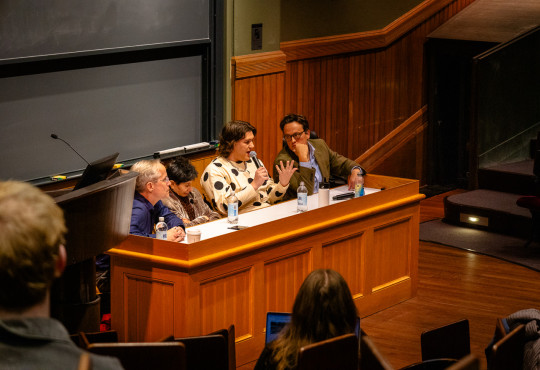
“If we play this attention economy game, we're going to lose,” Madeline Baker, College Fellow in the Department of the History of Science, said at a recent talk on the future of humanities education.

The Class of 2030 totals 1,648 and includes students from all 50 states and 86 countries.
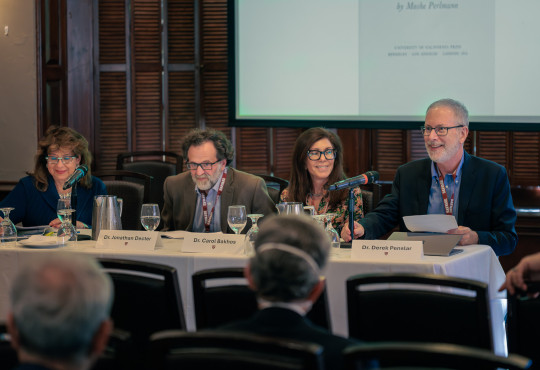
The all-day conference was split thematically, with a morning focus on Muslim perceptions of Jewish civilization, and an afternoon focus on the opposite.