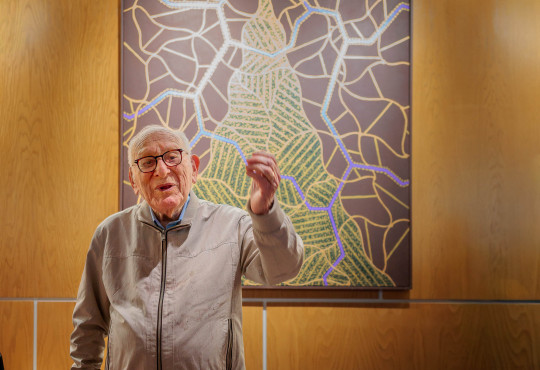
I have three lives, I guess. I study elections in the United States primarily. I study public opinion, which is pretty closely related to elections, but a lot of it's not. And since 2001, I've been doing work on energy politics. I'm Steve Ansolabehere. I'm a professor of government in the Department of Government in FAS.
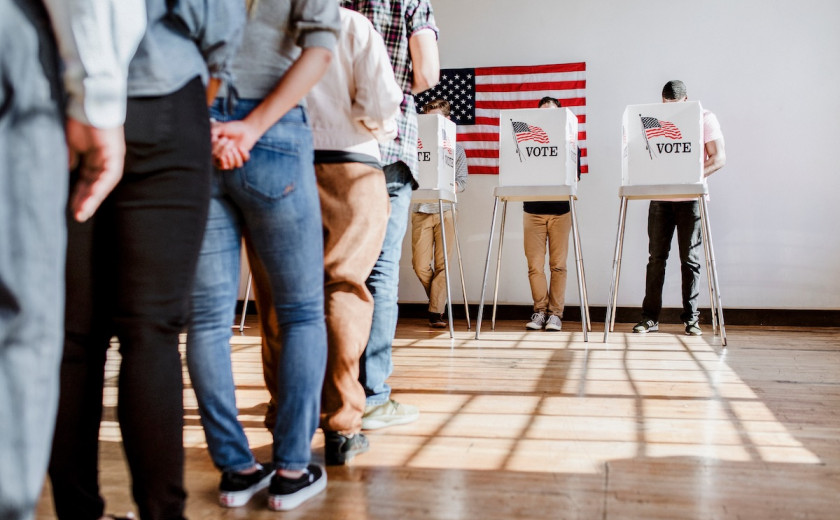
Elections are where my heart lies. I really love congressional elections in particular. Way more interesting stuff going on and lots of different foibles of humans show up in those.
Academics and journalists and others have been asking survey questions since at least the 20s in the United States. It used to be the case if you went back before 2000, that in order to be in the game of survey research in the social sciences, you had to have a big survey research center. We just decided to set up a project that had big enough scale and was cheap enough that lots of different schools could participate.
And everybody in the news media, everybody in the political consulting world, all the academics rely on this is their kind of backbone study. So that was a big win for political science.
So the public opinion work has been built largely around the cooperative election study. Through that, we've explored lots of different topics from what people think about food to what what the what energy they want to use to how they're going to vote and where the United States is divided and where it's not.
What matters are there are four big demographic groups that are kind of dominant identities, and that's like the core of identity politics. Those identities are LGBTQ, secular, so if you're agnostic or atheist and black, those groups vote like 80 percent Democratic.
And then there's one big Republican group, which are white evangelicals. If you're something other than those four, you're kind of in this complicated, messy middle, which we call the mosaic middle. And that is the old model of pluralism in America.
So the real tension in America, from our take isn't a tension between right and left, but it's a tension between pluralist politics and identity politics.