Kermit Pattison
Harvard Staff Writer
Researchers show that brain cells cultured in a dish can mimic normal cerebral development and even retain “memory” of their own histories
| 9 minutes
In a new milestone for stem cell research, Harvard neuroscientists have set a record for keeping alive lab-grown human brain “organoids” and proven that they mimic key developmental stages seen in living people.
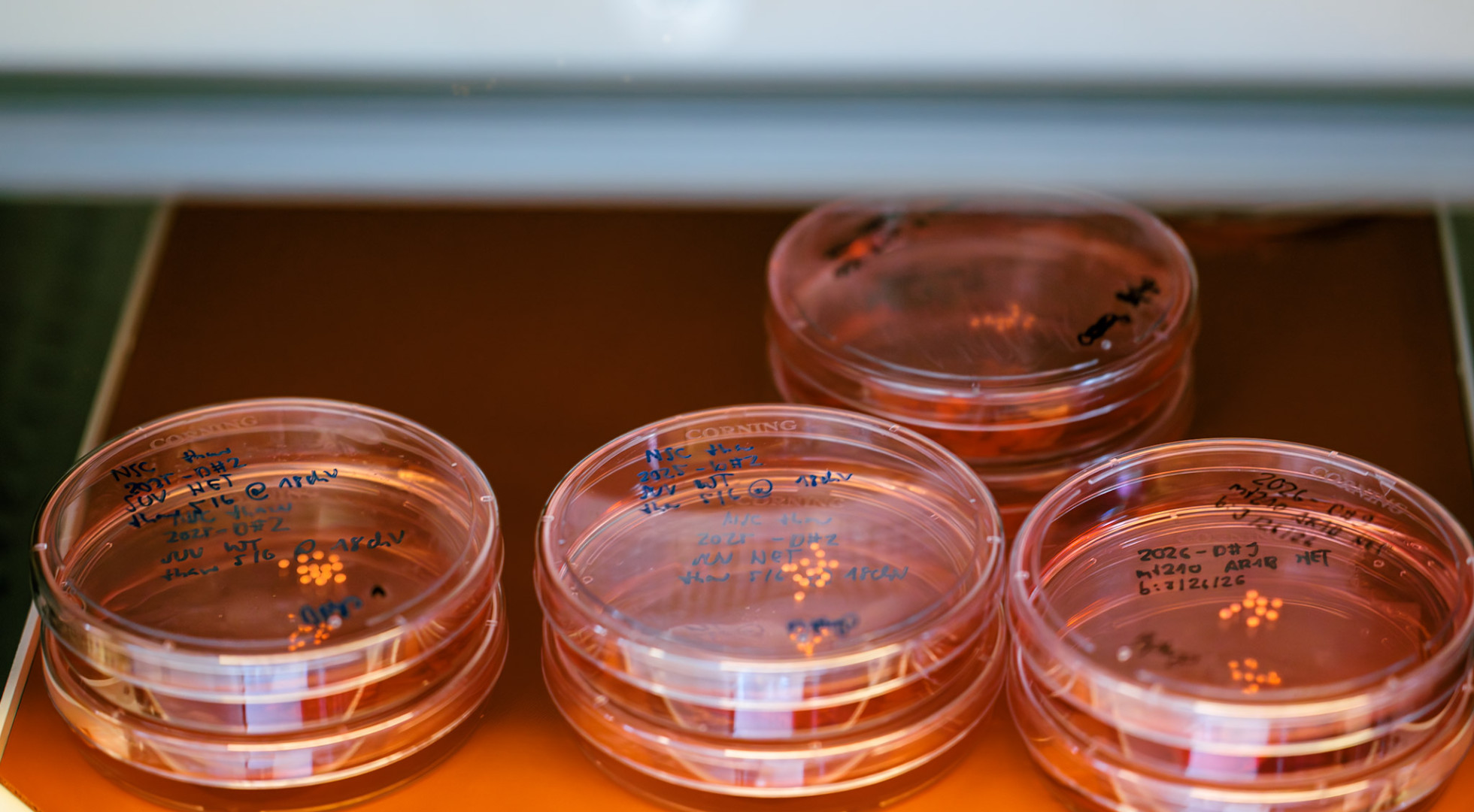
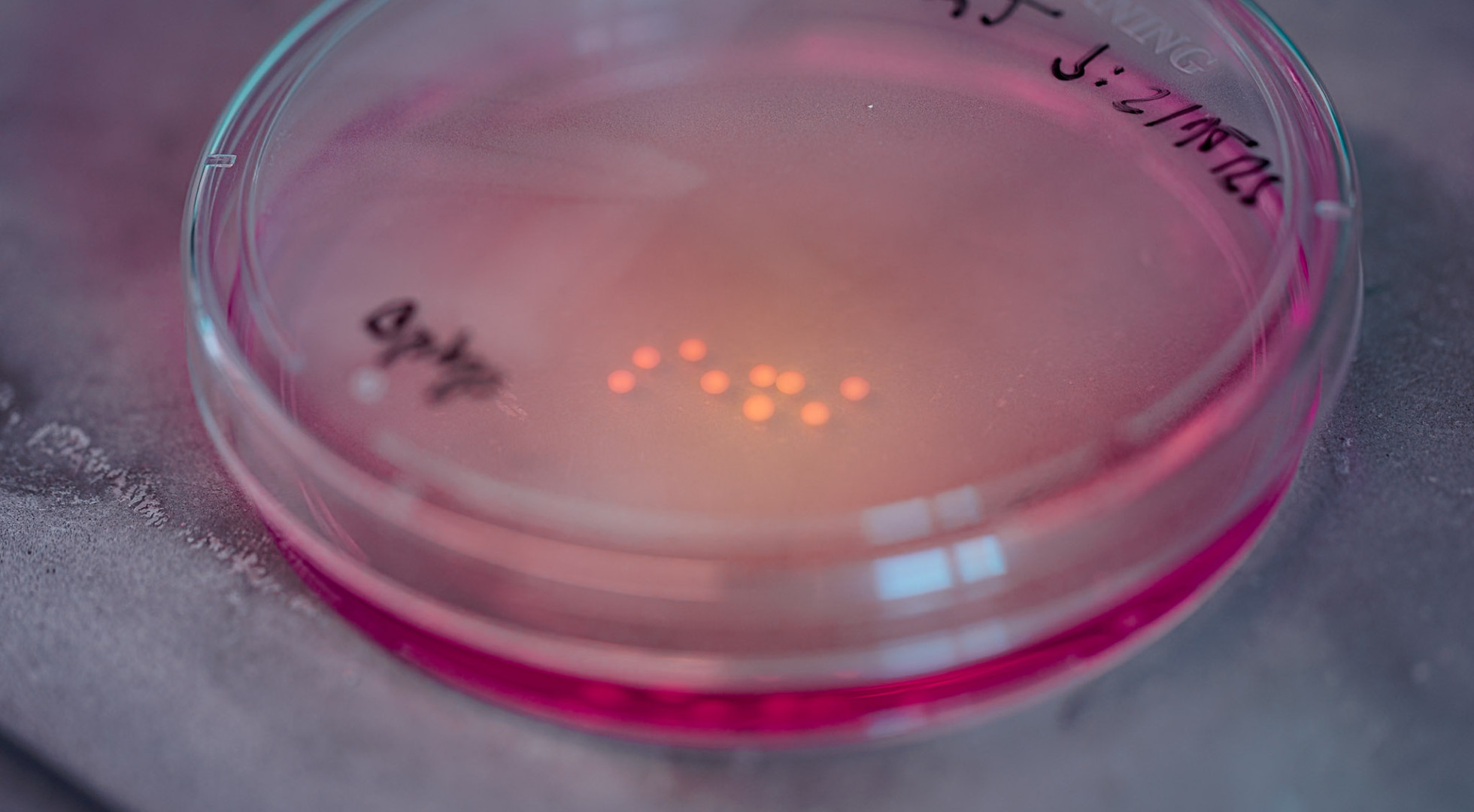
In a paper published this week in Nature, the team reported that these peppercorn-sized clumps of brain cells — each containing more than 1 million cerebral cortex cells derived from human donors — were sustained in the lab for more than five years, three times longer than the previous record. These tiny “avatars” of human brains also retained memories of their own histories and could be manipulated to skip forward to more advanced stages of development — a feature that one day could be exploited to replace diseased cells, or to engineer lab-grown organs.
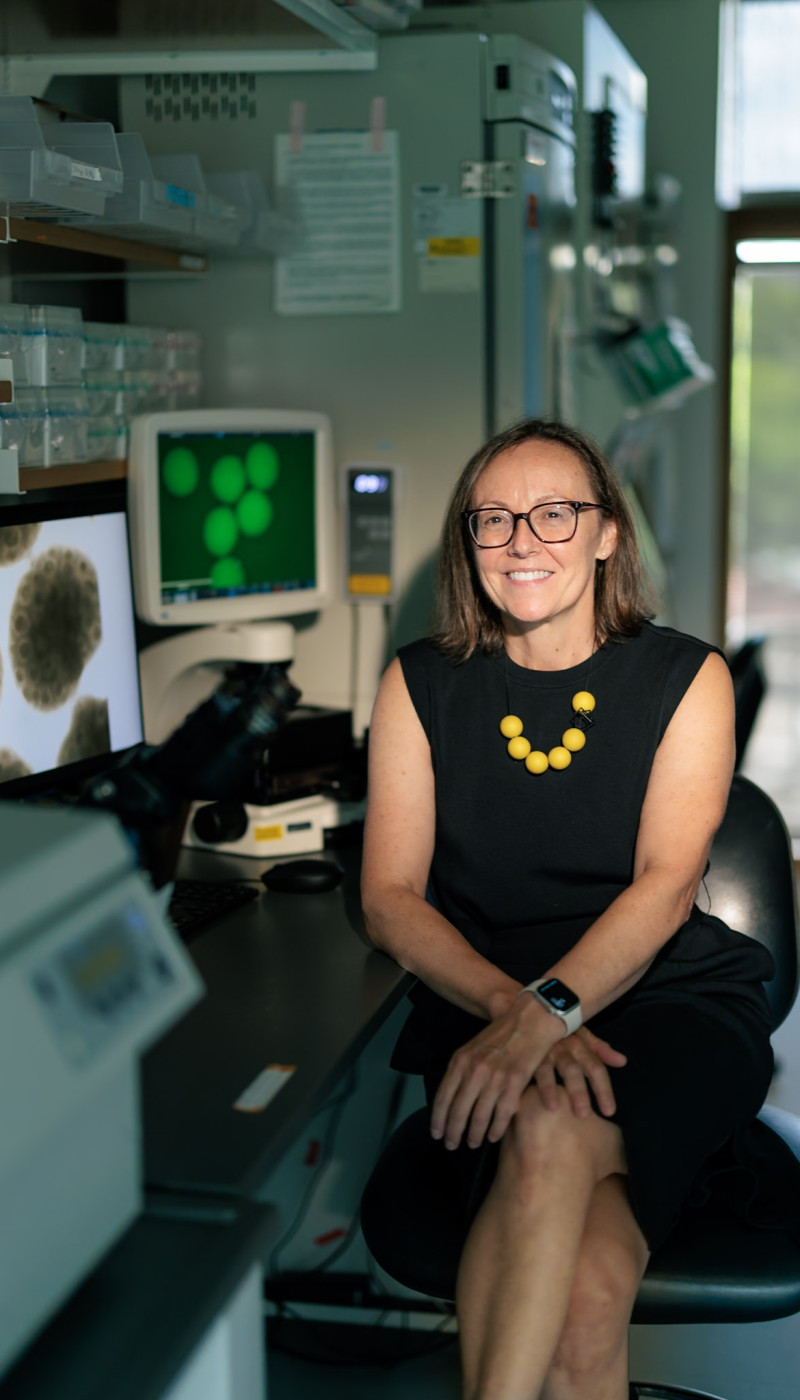
“We didn’t know how far the development and maturation of human brain tissue could occur outside the context of the normal brain inside the head,” said Paola Arlotta, Golub Family Professor of Stem Cell and Regenerative Biology and senior author of the new paper. “This work showed that it’s actually possible to not just have these organoids survive in culture, but also continue to change, develop, and mature over stretches of time that had never been reached before.”
Organoids offer promising models for brain research, but progress has been limited by the difficulty of keeping delicate cells alive in a lab dish — especially neurons, the fundamental units of the nervous system. The previous record for the oldest organoid was 694 days and reported in 2021 by a team of researchers at UCLA and Stanford.
Human brains continue to develop and mature for two decades — an unusually long timeline compared to other species. But most previous studies involving organoids have managed to replicate only the early phases of that brain development.
It remained unknown how well lab-grown cells would model the development of brains over longer timescales and whether all cell types could survive. To shed light on these questions, Harvard researchers sought to extend the longevity of the cell cultures.
The Arlotta lab studies the molecular mechanisms of development in the cerebral cortex, the emergence of its diverse cell types, the formation of circuits, and the pathologies that occur when those processes go awry. For more than a decade, the team has pursued organoids as promising models for research.
To make these clusters of brain cells, researchers first take a blood sample from a living donor. Because these cells all carry the DNA of that individual, they contain the instructions for making genetic duplicates of all the cells normally produced by that person.
With a series of biochemical signals, researchers reprogram these blood cells to become pluripotent stem cells that can beget many other types of cells. The team then uses more signals to guide cell differentiation and grow brain cells with the DNA of the donor — except this time in cultures outside the body.
In the new study, the Arlotta team examined 34 organoids and monitored their activity with single-cell RNA sequencing at eight timepoints between six months and five years. Combined with previous research, they gathered data on 110 organoids and nearly 425,000 individual cells.
As they watched this process unfold over several years, they discovered that organoid cells faithfully modeled the molecular developmental sequence of human brains during gestation and the first years of life.
One revealing indicator was DNA methylation, a process in which genes are turned on and off during development. Methylation follows a well-established timeline and serves as a reliable “age clock.” The lab-grown organoids, the researchers found, replicated the same steps documented in human brains.
“The methylation clock told us that these organoids were basically doing things that the endogenous brain would do,” said Arlotta, who is also a principal faculty member at the Harvard Stem Cell Institute and member at the Broad Institute of Harvard and MIT.
Next, the researchers conducted an experiment: When placed in the same environment, would older organoid cells behave differently than younger ones? They combined cells of different ages and from different donors into a single organoid.
When exposed to chemical signals to generate new neurons, the younger progenitors produced the cells normally formed at the beginning of this process. But the older ones immediately leaped ahead and made later-stage neurons normally produced two or three months later. The researchers concluded that the organoid brain cells “recorded the passage of time and retain a memory of the developmental steps already performed.”
“We were a little bit shocked by the results,” Arlotta said. “I like to call this a ‘time warp’ of development — they skip ahead.”


The research was spearheaded by two former postdoctoral fellows in the Arlotta lab, Irene Faravelli and Noelia Antón-Bolaños, both lead authors. “They were the example of a wonderful collaboration in science,” Arlotta said.
Two years ago, the same pair also published a paper describing the production of human brain “chimeroids,” or aggregates of brain cells derived from multiple donors (the name combines the words chimera and organoids). The same technique was employed in the new study.
“We can actually develop these organoids for very long periods, which is something that we didn't know before,” said Antón-Bolaños, now an assistant professor at the University Medical Center Utrecht. “They’re able to keep recording time, maturing and acquiring features that we didn’t know about until we cultured them for more than five years.”
Faravelli, now an assistant professor at the University of Milan, added that the study shows that organoids in vitro possess the capability for “self-emergence” over long periods, just like normal cells of the cerebral cortex.
“The human brain is very inaccessible,” she said. “With organoids, we started by looking at the very first processes, and now we are getting closer and closer to processes that are happening later in development.”
The team also refined new techniques to improve the survival of cells within the organoids. Neurons — the cells of prime interest to brain scientists — are especially fragile, and their numbers decline over time in cell cultures. In contrast, astrocytes (star-shaped support cells) are more durable.
Previous work showed that “spontaneous firing” of neurons improved their rates of survival. The investigators employed a liquid medium designed to promote such electrical signaling and added an amino acid supplement that acted as an auxiliary energy source. Within nine months, the organoid neurons increased in number and formed denser synapses, the signaling connections to other cells.
After one year, all organoids in the new medium showed vigorous bursts of electrical activity while none in the other medium did so. The researchers documented this electrical activity for two years.
The lab now has some organoids that are seven years old. But maintaining these fragile cell cultures over many years is difficult and expensive, and there are no plans to continue for the sake of setting a new longevity record. Instead, the team seeks to target key phases by pursuing the “time warp” capability.
“The goal is not to see how far we can possibly go,” Arlotta said. “Now we know that you can go quite far, and I think you can do a lot with what we have already achieved. Now we have to figure out how to make it happen faster.”
Arlotta believes that the new study bolsters the promise of organoids for brain research. Researchers can make vast numbers of these avatars to study brain development and disease or test the effectiveness of drugs. Better yet, they can generate large volumes of data that might be leveraged with powerful artificial intelligence tools.
“We can unlock a whole spectrum of human brain biology that we didn't see before,” Arlotta said. “We have shown it’s possible — a proof of principle — but clearly we need to figure out how to use the newly gained knowledge to enable understanding of later stages of development without having to wait years for organoids to grow.
“It is an important moment in time when advances in AI models for biology and biomedicine, combined with the ability to generate tissue avatars of human organs, open the door to building models of the human brain that can be used to make powerful predictions about the biology of older brains, disease progression, and human therapeutic response,” she added. “Science is being transformed and I believe that this will let us unlock powerful biology of the human brain that has been effectively inaccessible to scientists and clinicians alike.”
Research described in this story received federal funding from the National Institutes of Health, grants RF1MH123977, R01MH112940, RF1MH132710, R01AG087374, R01EB024261, R01AG070831, and RF1MH123403.
Two Harvard scientists describe a way to engineer the evolutionary landscape that viruses experience, pushing them away from dangerous variants and into evolutionary dead ends.

Amid the rhythms of the back-to-campus bustle, new faculty find themselves experiencing the same first-day excitement — and jitters. We dropped in on three, on the first day of their first classes.

As the sun sinks below the horizon, two scientists perch quietly beside a darkening field and wait for flashes of light. They have traveled far outside the city in search of research sites, because they study a group of creatures that have been driven to the margins of human settlements: fireflies.