Life Sciences

Search
  • Filter by School
    School
    School (field_school)
  • Filter by Topic
    Topic
    Topics (field_topics)
  • Filter by People
    People
    Audience (field_audience)
How a giant predator of prehistoric seas was discovered — twice
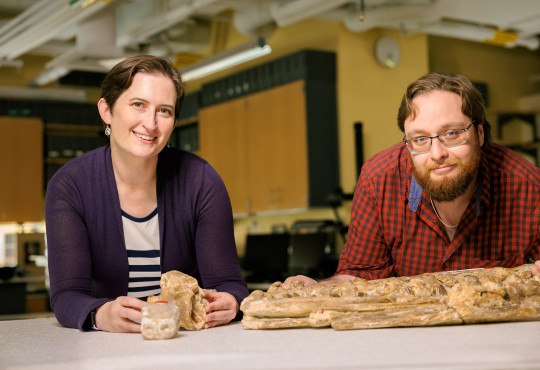
Museum of Comparative Zoology collections manager Christina Byrd, at left, and MCZ fossil preparator Scott Johnston pose with a Tylosaurus proriger fossil jaw.

How a giant predator of prehistoric seas was discovered — twice

After 80 million years, a giant fossil jaw has quite a story to tell. Back in the age of the dinosaurs, Tylosaurus proriger was a fearsome predator — a bus-sized aquatic reptile with a crushing snout, daggerlike teeth, and knack for swallowing prey whole. How its bones wound up at Harvard is a tangled yarn involving a Wild West stagecoach station, the early western railroads, the infamous “Bone Wars” between rival fossil hunters, and a founding scholar of natural history.
David Reich on migration, mixed ancestries, and ancient DNA
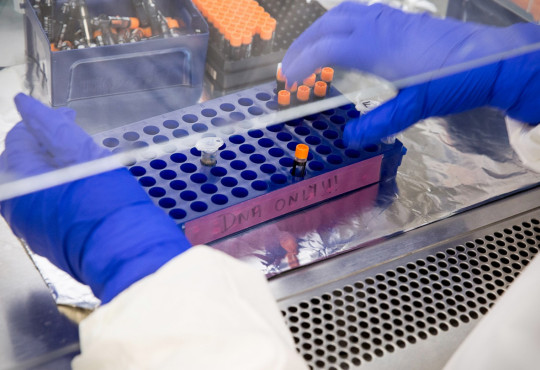
View of a pair of hands in a lab coat and gloves handling tubes labeled “DNA ONLY”

David Reich on migration, mixed ancestries, and ancient DNA

Drawing on data from over 50,000 genetic samples, Reich’s research shows that the people living in a place today are almost never the direct descendants of the people who lived there before.

How the brain decides where to insulate its own wiring
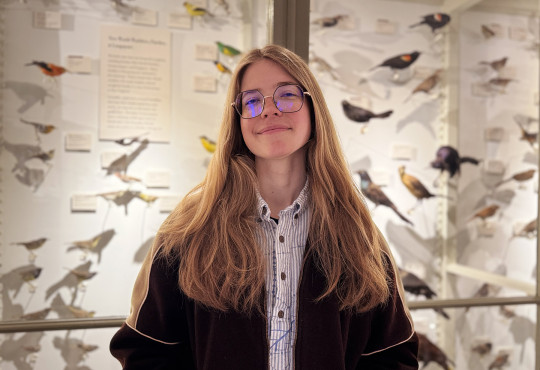
Postdoctoral researcher Nuria Dominguez-Iturza in front of a microscope

How the brain decides where to insulate its own wiring

A new study by takes a step toward illuminating brain development and providing clues that may lead to therapies for devastating neurological disorders.

SueYeon Chung named McKnight Scholar
SueYeon Chung

SueYeon Chung named McKnight Scholar

The assistant professor of physics and applied math won the grant for cutting-edge neuroscience research.

David Johnston named Dean of Science
Dean of Science David Johnston

David Johnston named Dean of Science

Geobiologist praised as exemplary leader with “intellectual breadth, creativity, and collaborative approach”

Cracking the code of ‘what the nose knows’
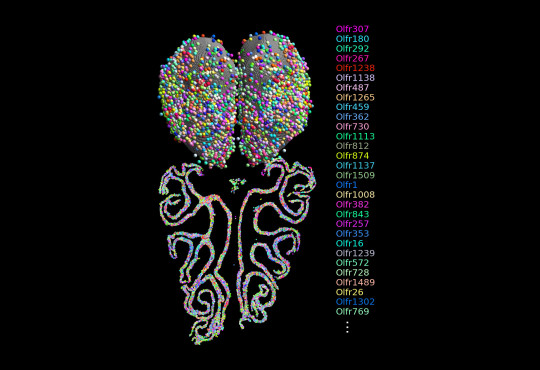
A combined map of a mouse olfactory system

Cracking the code of ‘what the nose knows’

A team of researchers from two labs has created the most comprehensive map to date of how the primary olfactory system detects and organizes social and predator odors.