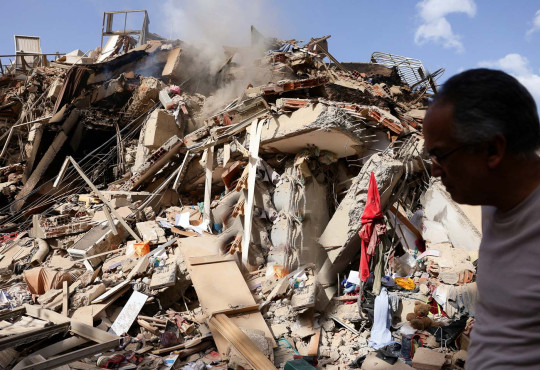
The smartphone system that detected seismic activity and saved lives in Venezuela
An earthquake alert system mines data from billions of Android phones, the most common smartphone in the world, and easily the most popular in less wealthy nations.
An earthquake alert system mines data from billions of Android phones, the most common smartphone in the world, and easily the most popular in less wealthy nations.
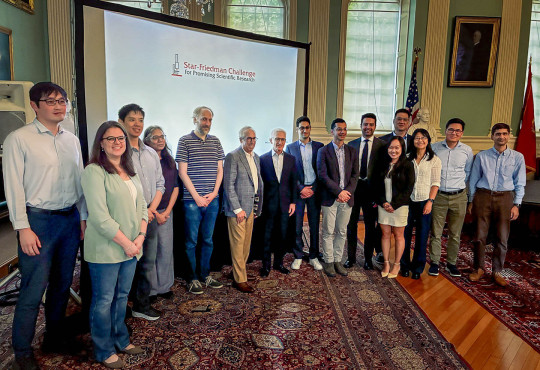
Grantees cross the sciences, range from work in quantum to ‘smart skins’
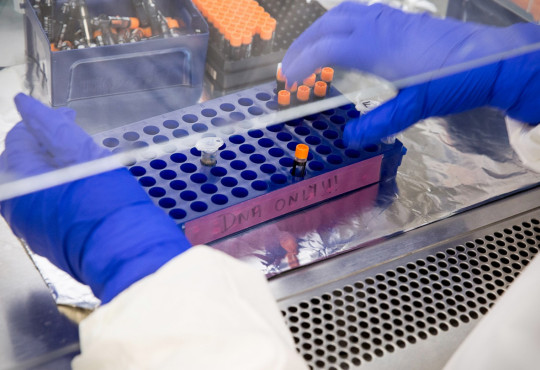
Drawing on data from over 50,000 genetic samples, Reich’s research shows that the people living in a place today are almost never the direct descendants of the people who lived there before.

A new study by takes a step toward illuminating brain development and providing clues that may lead to therapies for devastating neurological disorders.
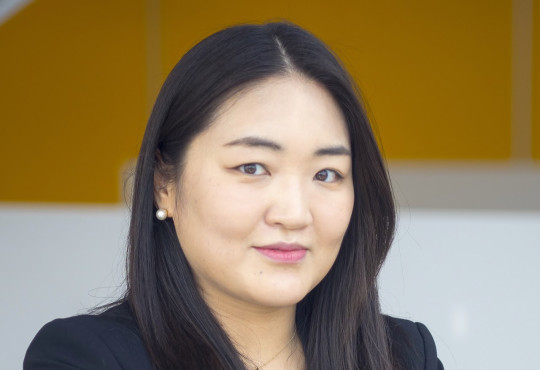
The assistant professor of physics and applied math won the grant for cutting-edge neuroscience research.
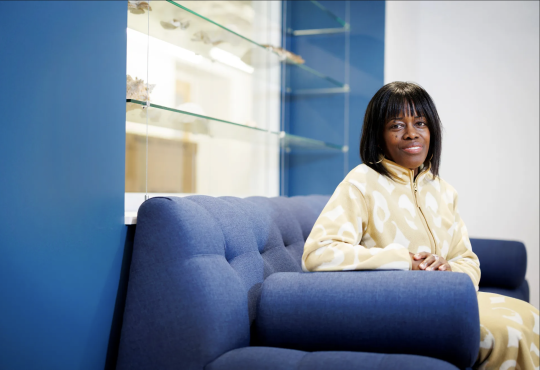
Mandë Holford uncovers the secrets of deadly marine mollusks, how their toxins work with such targeted efficiency.

Geobiologist praised as exemplary leader with “intellectual breadth, creativity, and collaborative approach”

Early interest in nature shaped Ashwin Sivakumar’s academic interests and work with Harvard Museums of Science & Culture
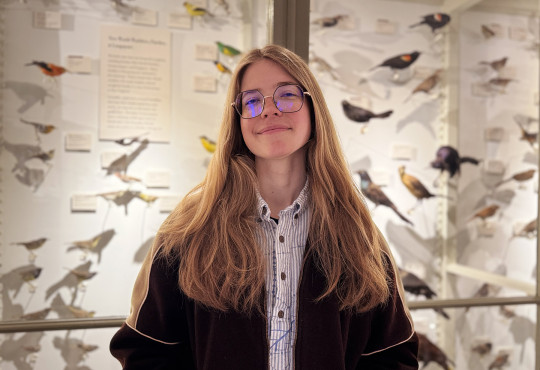
Hawaiʻi’s Alyssia Wiesenbauer arrived with an interest in studying volcanoes. She leaves with a deep knowledge of nature and museums.
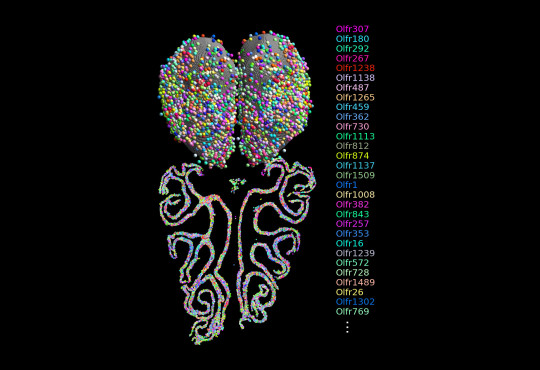
A team of researchers from two labs has created the most comprehensive map to date of how the primary olfactory system detects and organizes social and predator odors.
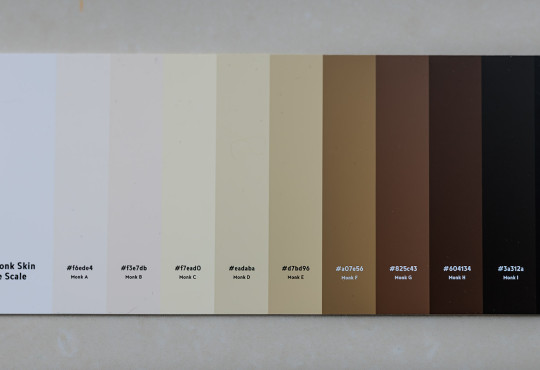
The Monk Skin Tone scale, devised in 2019 by Professor Ellis Monk, helps create more accurate medical diagnostic tools for patients with dark skin