Inquiry & Impact

The pursuit of knowledge through research, teaching, and learning, with impact at the FAS and beyond

Period tracker, meet reality check
A female soccer player using her phone in the locker room

Period tracker, meet reality check

A new paper from the GenderSci Lab interrogates the claims of a leading menstrual cycle tracking app, finding that the “speculative marginal benefit does not justify the potential harms,” including concerns surrounding privacy, personal data, and credibility.

Oil and water do mix, chemically speaking
Doctoral student Abdulrahman Alfaraidi in the lab with Harvard professors Richard Liu and Michael Aziz.

Oil and water do mix, chemically speaking

The process of producing essential medicines and fine chemicals has long been powered by reactions involving intense heat, heavy metal catalysts, and hazardous hydrogen gas. Now, a team of Harvard chemists and engineers has demonstrated that these critical transformations can be driven cleanly by electricity.

When gospel artists went platinum
Charrise Barron sitting in an auditorium seat holding a copy of her book “The Platinum Age of Gospel”

When gospel artists went platinum

Prior to the 2000s, it was unusual to see a gospel artist performing in skinny jeans or bodycon dresses. Also unusual was hearing gospel songs about romantic love, songs including rap verses, or music videos featuring hip-hop dance choreography and celebrity cameos.

Search
  • Filter by School
    School
    School (field_school)
  • Filter by Topic
    Topic
    Topics (field_topics)
  • Filter by People
    People
    Audience (field_audience)
David Reich on migration, mixed ancestries, and ancient DNA
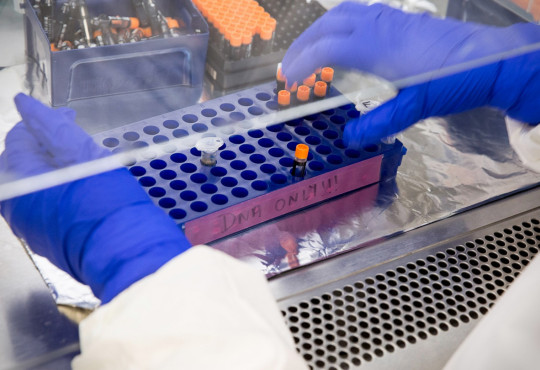
View of a pair of hands in a lab coat and gloves handling tubes labeled “DNA ONLY”

David Reich on migration, mixed ancestries, and ancient DNA

Drawing on data from over 50,000 genetic samples, Reich’s research shows that the people living in a place today are almost never the direct descendants of the people who lived there before.

How the brain decides where to insulate its own wiring
Postdoctoral researcher Nuria Dominguez-Iturza in front of a microscope

How the brain decides where to insulate its own wiring

A new study by takes a step toward illuminating brain development and providing clues that may lead to therapies for devastating neurological disorders.

Researchers pull landlords from the shadows
An image of classic brick residences in New York City.

Researchers pull landlords from the shadows

Approximately one-third of all households in the United States live in rented properties, but it can be hard to say who the landlords are. In a co-authored research paper, economics professor Rebecca Diamond introduces a method for identifying the deed-holders.