Inquiry & Impact

The pursuit of knowledge through research, teaching, and learning, with impact at the FAS and beyond

Period tracker, meet reality check
A female soccer player using her phone in the locker room

Period tracker, meet reality check

A new paper from the GenderSci Lab interrogates the claims of a leading menstrual cycle tracking app, finding that the “speculative marginal benefit does not justify the potential harms,” including concerns surrounding privacy, personal data, and credibility.

Oil and water do mix, chemically speaking
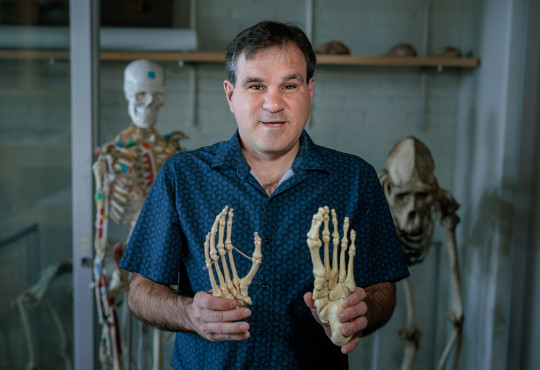
Doctoral student Abdulrahman Alfaraidi in the lab with Harvard professors Richard Liu and Michael Aziz.

Oil and water do mix, chemically speaking

The process of producing essential medicines and fine chemicals has long been powered by reactions involving intense heat, heavy metal catalysts, and hazardous hydrogen gas. Now, a team of Harvard chemists and engineers has demonstrated that these critical transformations can be driven cleanly by electricity.

When gospel artists went platinum
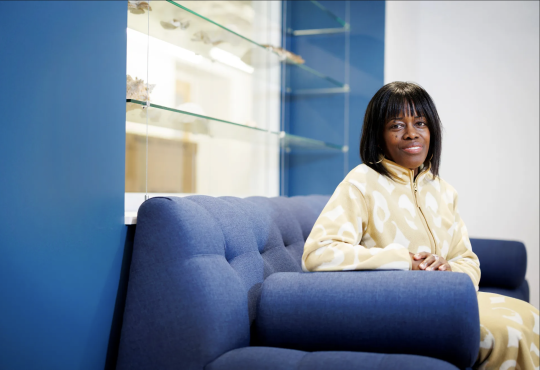
Charrise Barron sitting in an auditorium seat holding a copy of her book “The Platinum Age of Gospel”

When gospel artists went platinum

Prior to the 2000s, it was unusual to see a gospel artist performing in skinny jeans or bodycon dresses. Also unusual was hearing gospel songs about romantic love, songs including rap verses, or music videos featuring hip-hop dance choreography and celebrity cameos.

Search
  • Filter by School
    School
    School (field_school)
  • Filter by Topic
    Topic
    Topics (field_topics)
  • Filter by People
    People
    Audience (field_audience)
Cracking the code of ‘what the nose knows’
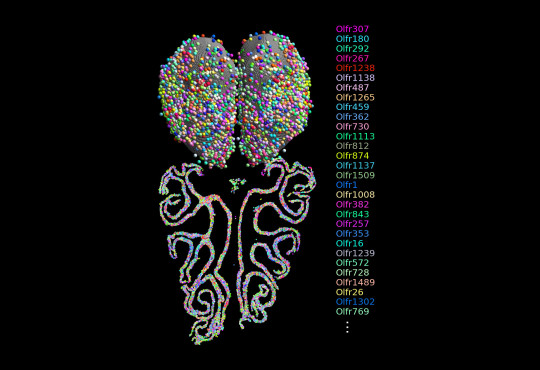
A combined map of a mouse olfactory system

Cracking the code of ‘what the nose knows’

A team of researchers from two labs has created the most comprehensive map to date of how the primary olfactory system detects and organizes social and predator odors.

Lives saved by sociologist’s fix for skin tone bias
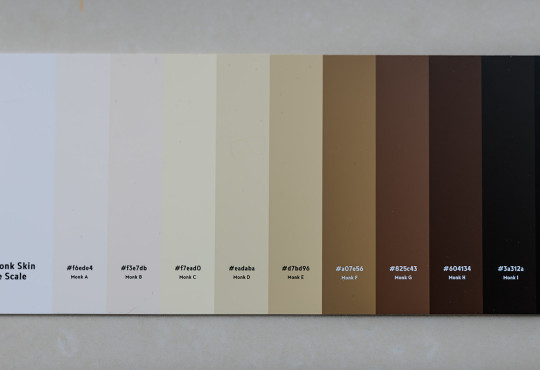
A card showing all 10 skin tones of the Monk Skin Tone scale

Lives saved by sociologist’s fix for skin tone bias

The Monk Skin Tone scale, devised in 2019 by Professor Ellis Monk, helps create more accurate medical diagnostic tools for patients with dark skin