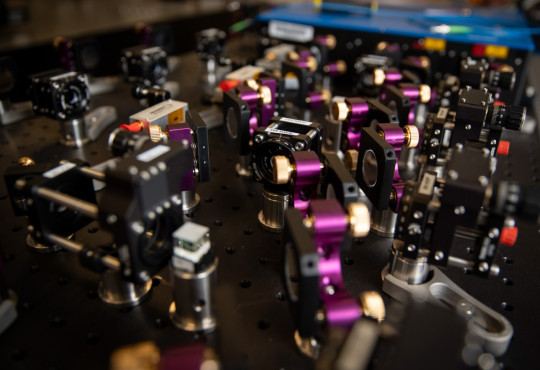
Harvard awarded $37M National Science Foundation grant for fault-tolerant quantum computing
The institute will bring together 39 researchers across fields including mathematics, computer science, engineering, physics, and chemistry.
The institute will bring together 39 researchers across fields including mathematics, computer science, engineering, physics, and chemistry.
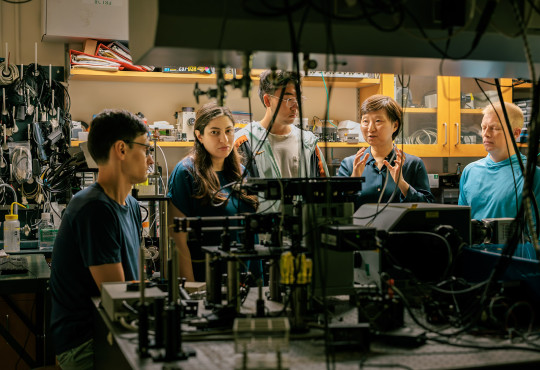
The technology, described in a new paper in Cell, could reshape how scientists investigate tissue function and disease.
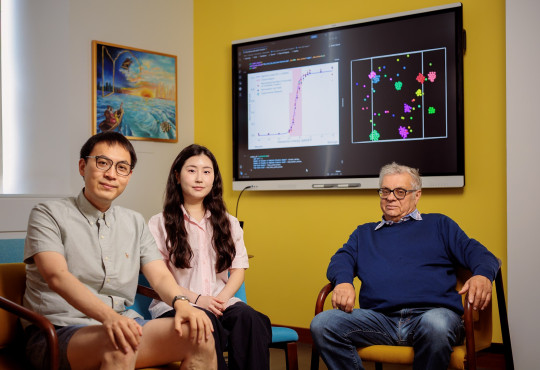
Researchers in the Department of Chemistry and Chemical Biology combined biophysics, structural biology, and simulation to solve a manufacturing question.
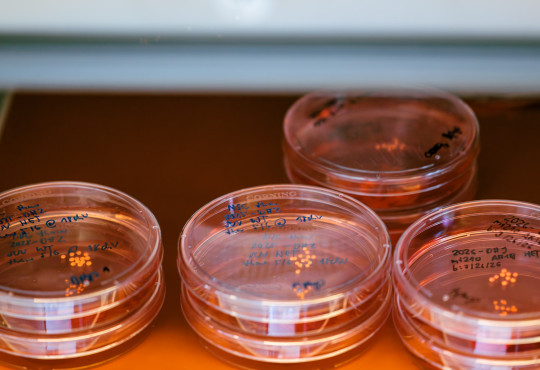
In a new milestone for stem cell research, Harvard neuroscientists have set a record for keeping alive lab-grown human brain “organoids” and proven that they mimic key developmental stages seen in living people.
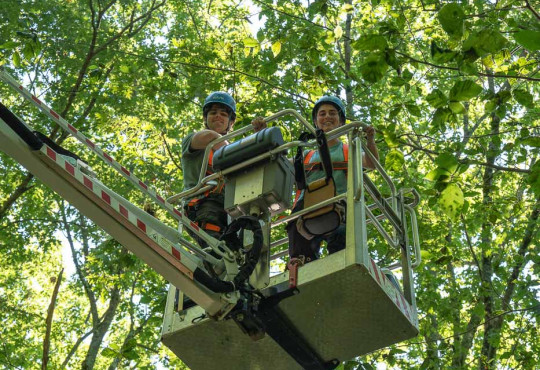
Deep in the woods of Petersham, Mass., the Harvard Forest Summer Research Program in Ecology is cultivating a renewable resource — future generations of scientists.

Forget about the ancient Greek myth of Icarus. For the last 10 years, Jenna Samra, Ph.D. ’18, and her colleagues have been pushing technology to fly closer to the hottest part of the sun.
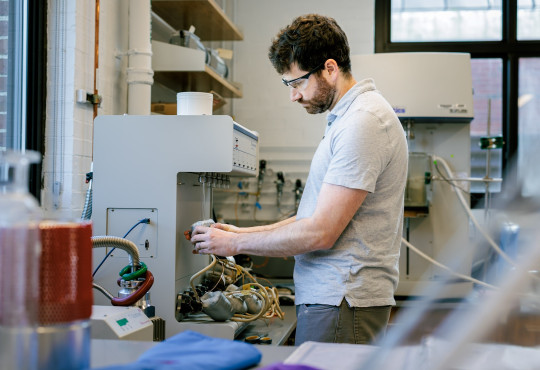
FluxBio’s near-term focus is to help biomanufacturers get more out of the reactors they already own.

Harvard biologists have discovered a mysterious distinction at the core of the octopus‘ cellular biology that appears to be unique in the animal kingdom.
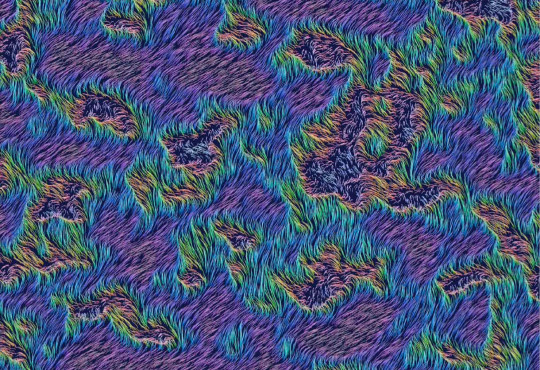
A team from The Rowland Institute at Harvard has uncovered complex nanoscale orders in a chemical compound that has long mystified researchers when exposed to extreme cold.

Being born a few days on either side of the school-enrollment cutoff date might seem like an arbitrary difference. But new research finds boys born just after the cutoff, who start kindergarten relatively old for their grade, enjoy far more advantages than previously known.
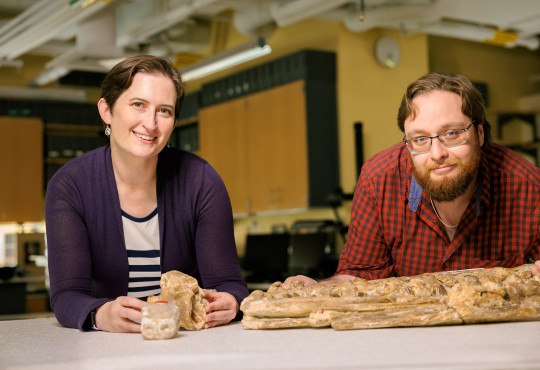
After 80 million years, a giant fossil jaw has quite a story to tell. Back in the age of the dinosaurs, Tylosaurus proriger was a fearsome predator — a bus-sized aquatic reptile with a crushing snout, daggerlike teeth, and knack for swallowing prey whole. How its bones wound up at Harvard is a tangled yarn involving a Wild West stagecoach station, the early western railroads, the infamous “Bone Wars” between rival fossil hunters, and a founding scholar of natural history.