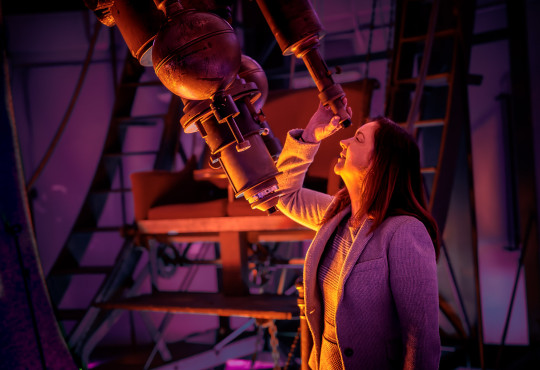
New space ‘archaeology’ uncovers billions of years of galactic history
Harvard astrophysicists developed a new method of “chemical archaeology” to reconstruct the history of distant galaxies by mapping the distribution of oxygen.
Harvard astrophysicists developed a new method of “chemical archaeology” to reconstruct the history of distant galaxies by mapping the distribution of oxygen.

Andrew Knoll previews his new book on the 4-billion-year “conversation” between Earth and life — and recent interruptions by humans
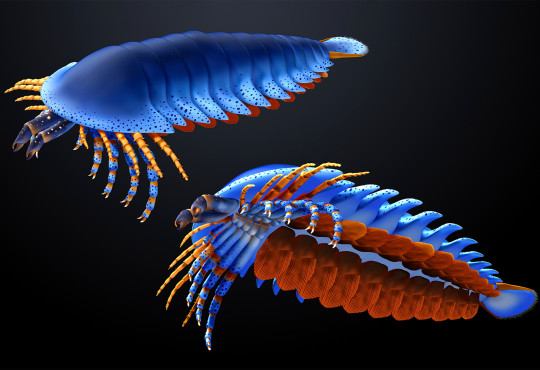
“I had just exposed the oldest chelicera ever found.”
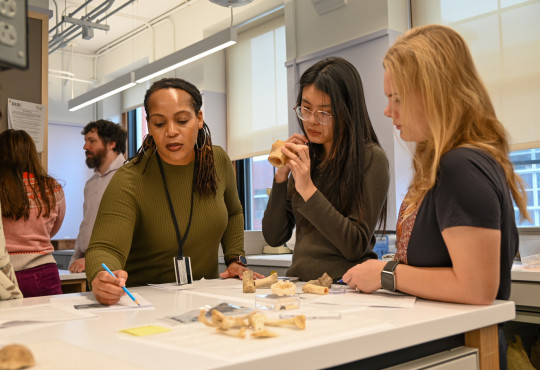
Shayla Monroe, assistant professor of archaeology, renovated the space with an eye to honoring its storied collection.
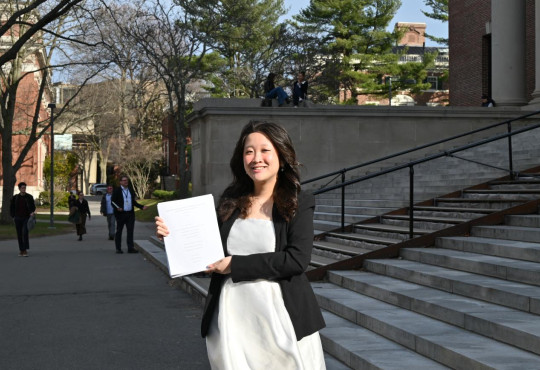
Communication has always been the thread tying the story of Lani Tran ’26 together. For her senior thesis in biomedical engineering, Tran turned that concept into action by designing a collaborative feedback system that helps healthcare providers improve patient care. Originally from the small town of Alhambra, Calif., Tran arrived at Harvard with an inkling that she wanted to pursue science.
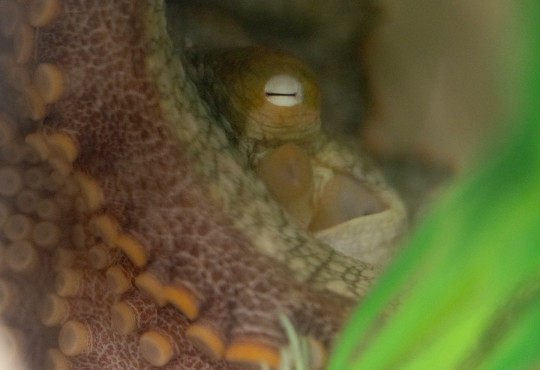
Study discovers how species uses “taste by touch” sensory system to feel out potential mates
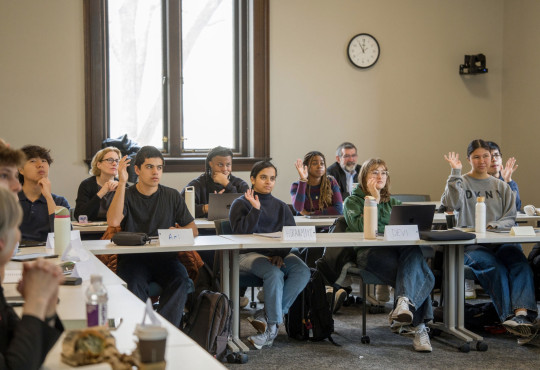
If approved, ENCE would become the first new concentration for Harvard College students since 2018.

Viktoriia Morad, a new fellow in physics and material science, wants to build upon the lab-grown semiconductors she uses to harvest light.
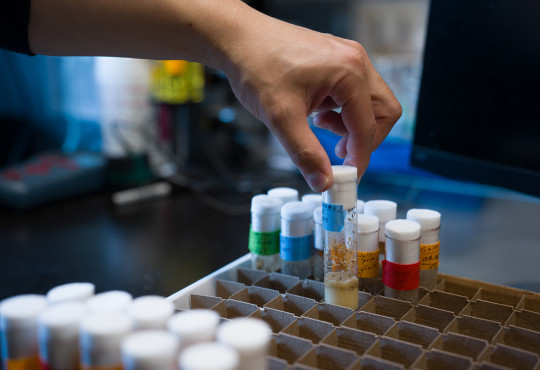
For more than a century, the fruit fly has been a workhorse of the biological sciences that has helped scientists to make fundamental breakthroughs in fields such as genetics and neuroscience.

This April, one thousand red oaks will be planted at Harvard Farm. The species, native to New England’s northern temperate climate zone, is increasingly threatened by drought and heat.

Throughout the history of biology, numerous discoveries stemmed from observing living systems, but seeing the innerworkings of living organisms presents challenges.