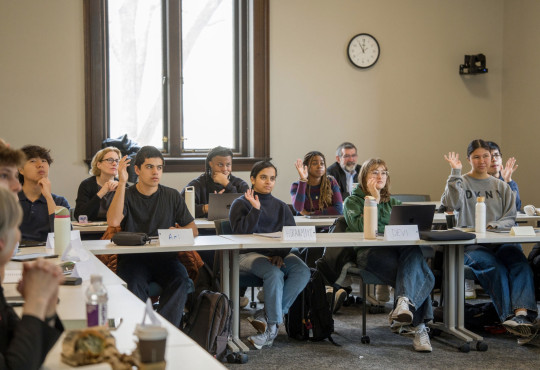
Faculty to vote on new multidisciplinary climate concentration
If approved, ENCE would become the first new concentration for Harvard College students since 2018.
If approved, ENCE would become the first new concentration for Harvard College students since 2018.
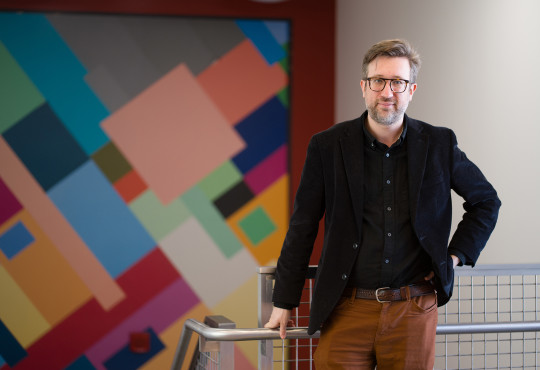
Awardees include faculty studying infection, Atlantic slave trade, and South Asia artisan practices
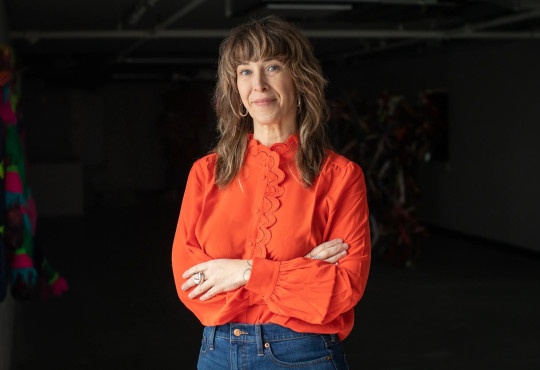
The curator, author, and educator had been interim director for the past year.

Viktoriia Morad, a new fellow in physics and material science, wants to build upon the lab-grown semiconductors she uses to harvest light.
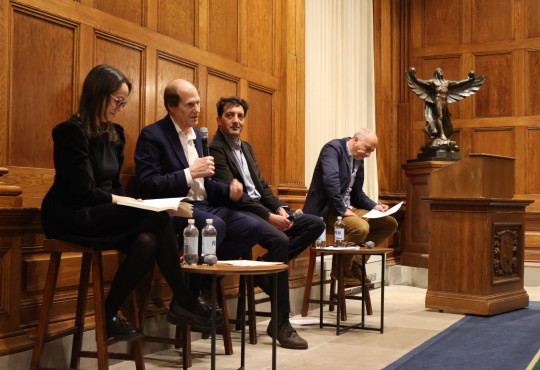
A recent event, hosted by the Public Culture Project, grappled with the political philosophy’s aesthetic appeals (or lack thereof).
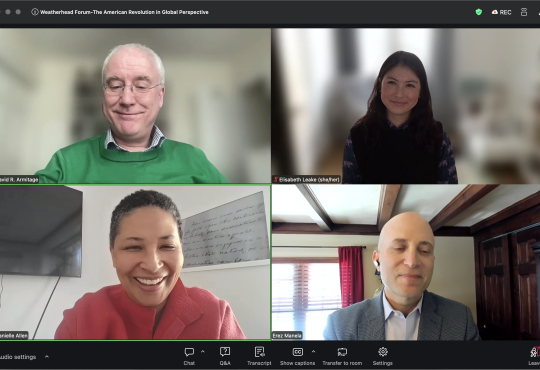
In the 250 years since Thomas Jefferson drafted the Declaration of Independence, hundreds of other nascent nations — whether ultimately successful, failed, or somewhere in between — have drawn inspiration from America’s founding document.
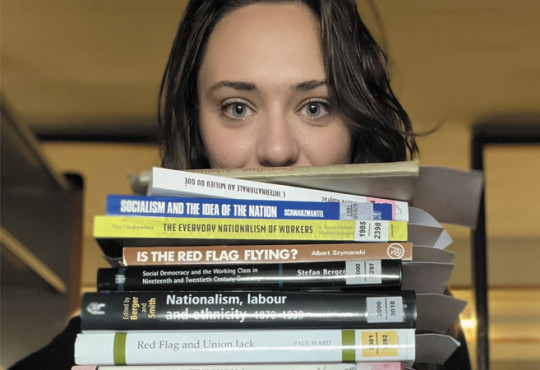
Natalie Behrends received an unusual present for her 10th birthday: a biography of Mary Harris “Mother” Jones, the turn-of-the-century American labor activist.
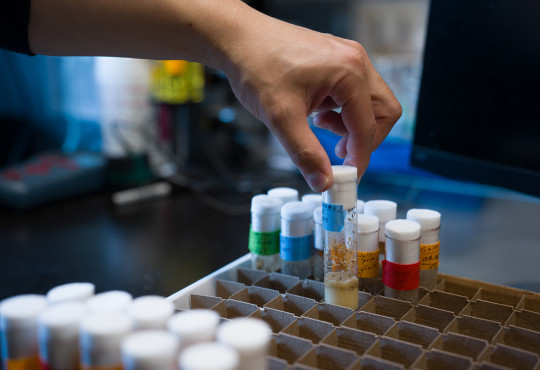
For more than a century, the fruit fly has been a workhorse of the biological sciences that has helped scientists to make fundamental breakthroughs in fields such as genetics and neuroscience.

This April, one thousand red oaks will be planted at Harvard Farm. The species, native to New England’s northern temperate climate zone, is increasingly threatened by drought and heat.

Throughout the history of biology, numerous discoveries stemmed from observing living systems, but seeing the innerworkings of living organisms presents challenges.
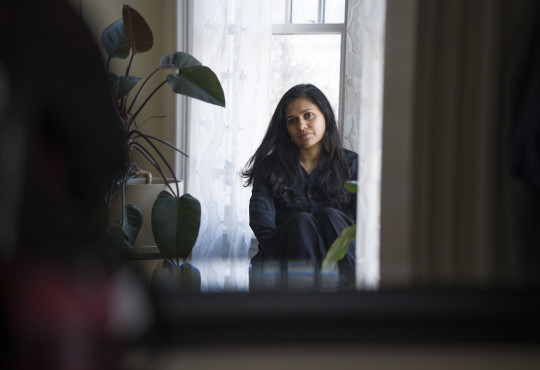
As Hurricane Sandy approached New York City in 2012, Tara Menon remembers being surprised by the unconcerned attitude of many of her fellow New Yorkers.