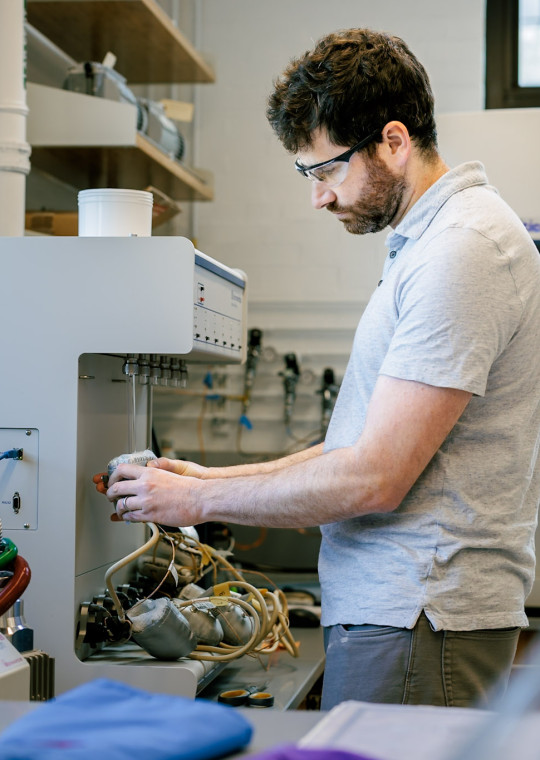
Chemist’s fix for a stubborn biomanufacturing problem? Engineer the liquid, not the machine
FluxBio’s near-term focus is to help biomanufacturers get more out of the reactors they already own.
The pursuit of knowledge through research, teaching, and learning, with impact at the FAS and beyond
FluxBio’s near-term focus is to help biomanufacturers get more out of the reactors they already own.

Harvard biologists have discovered a mysterious distinction at the core of the octopus‘ cellular biology that appears to be unique in the animal kingdom.

Being born a few days on either side of the school-enrollment cutoff date might seem like an arbitrary difference. But new research finds boys born just after the cutoff, who start kindergarten relatively old for their grade, enjoy far more advantages than previously known.

A new study by takes a step toward illuminating brain development and providing clues that may lead to therapies for devastating neurological disorders.

Approximately one-third of all households in the United States live in rented properties, but it can be hard to say who the landlords are. In a co-authored research paper, economics professor Rebecca Diamond introduces a method for identifying the deed-holders.

A new study finds increased isolation and distress in remote-friendly occupations

Humans are still doing the heavy lifting, despite rapid AI progress
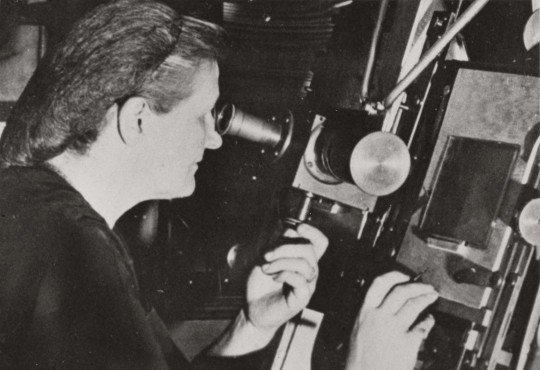
FAS Dean Hopi Hoekstra helped dedicate a plaque at the teenage home of Cecilia Payne-Gaposchkin.

Could frustration with billionaires and corporate power bring about a resurgence in American democracy? Taeku Lee believes it’s possible.

Joyce Chaplin’s “Rewilding Harvard” is reimagining the Harvard landscape.

Scholars from around the United States recently gathered at Harvard to crack an unsolved problem in mathematics: how to make the subject more relevant to undergraduates.

Ph.D. student Minsu Kim gained confidence, experience in the lab of neurobiologist Wei-Chung Allen Lee.

Mandë Holford uncovers the secrets of deadly marine mollusks, how their toxins work with such targeted efficiency.

Analysis reveals unhappy marriage of lower productivity and higher prices amid wobbly regulation