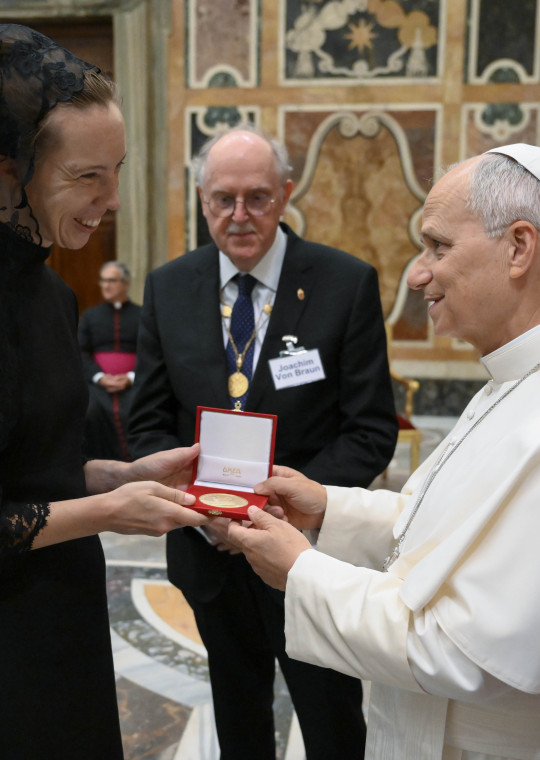
Pope Leo XIV presents scientific honor to astrochemist Karin Öberg
The astrochemist traveled to Vatican City to accept the award in a September 24 ceremony.
Faculty, students, researchers, staff, and alumni who comprise the FAS community
The astrochemist traveled to Vatican City to accept the award in a September 24 ceremony.
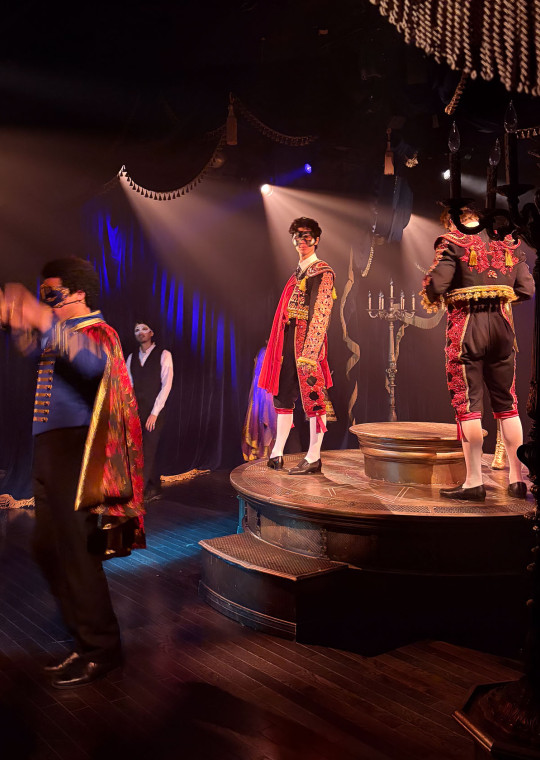
This past summer, three Harvard students helped transport Manhattan audiences to Parisian rooftops, opera house dressing rooms, and a subterranean labyrinth in “Masquerade,” an immersive adaptation of Andrew Lloyd Webber’s “The Phantom of the Opera.”

Ross McElwee has often set out to make a film about one thing, only for it to become about something else entirely.
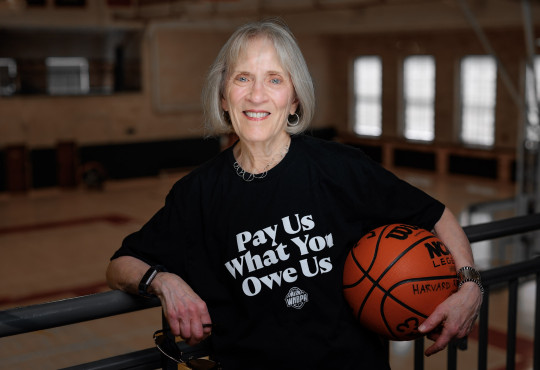
How economist Claudia Goldin helped WNBA players secure a fairer contract


Noah Eckstein, Kiesse Nanor, and Andrew O’Donohue focus on celebrating difference while embracing ties that bind.

The honor is given annually to College seniors who demonstrate ‘intellectual adventure’

Early interest in nature shaped Ashwin Sivakumar’s academic interests and work with Harvard Museums of Science & Culture

Hawaiʻi’s Alyssia Wiesenbauer arrived with an interest in studying volcanoes. She leaves with a deep knowledge of nature and museums.

When Rosie Rines graduated from Boston’s Roslindale High School in 1964, college didn’t seem like an option. But later this month, at 79 years old, she’ll don a cap and gown and receive her undergraduate degree from Harvard Extension School — with her daughters cheering her on.
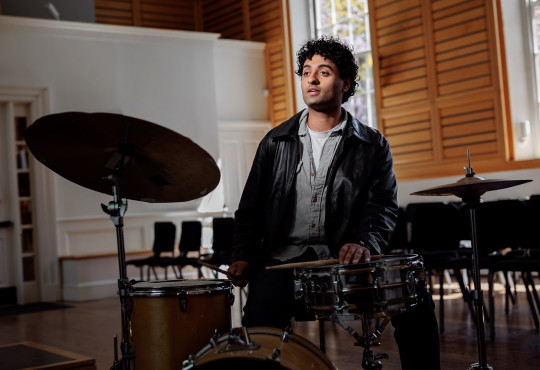
At Harvard, drummer Raghav Mehrotra ’26 built knowledge about the music industry — and a sizable social media following.
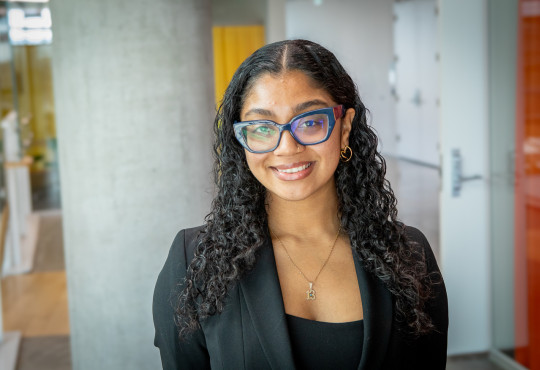
About 1 billion kilograms of wool gets wasted per year. Waste wool can come from farmers, from textile mills before the wool gets made into clothes and used by consumers. Environmental Science & Engineering concentrator Mia Montrose employed waste wool to make building cladding panels as an example of sustainable materials.
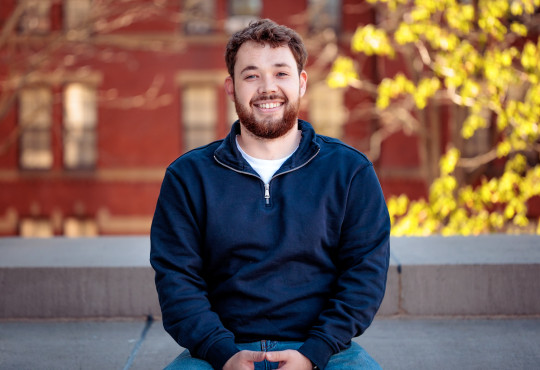
A few months shy of 30, Richard Glazunov is poised to graduate from Harvard College with a degree in government.
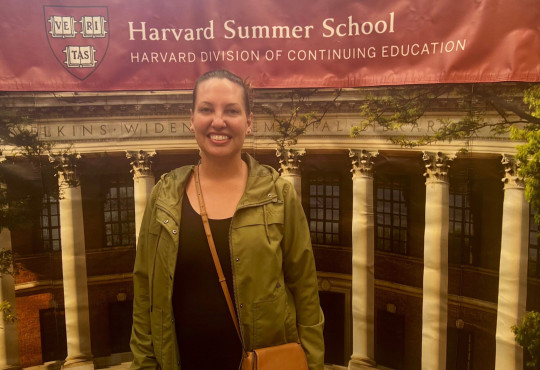
A leader at Estée Lauder Companies, she deepened her expertise at Harvard Extension School.