Harvard faculty recognized by the National Academy of Sciences
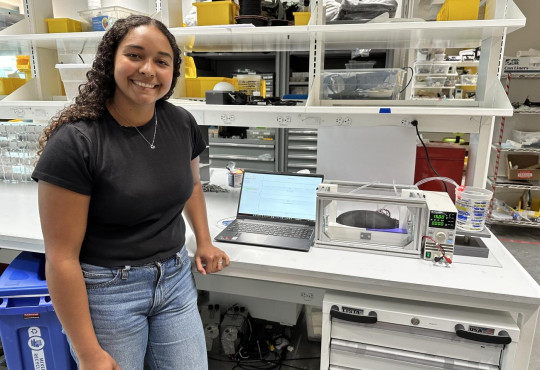
Tiahna Padilla ’26 has never been afraid of a challenge. While working on her senior thesis, the two worlds she inhabited at Harvard converged through the development of a mobile artificial limb that gives unique insight into the capabilities of athletes’ muscles.
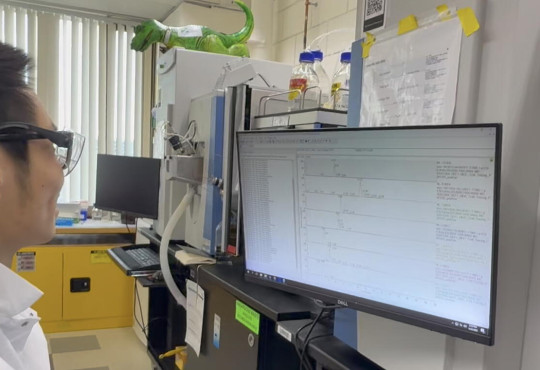
In the Kanarek Laboratory at Boston Children’s Hospital, Alan Wong, who will receive his PhD in biological and biomedical sciences this May from the Harvard Kenneth C. Griffin Graduate School of Arts and Sciences, focuses on developing new approaches to treat pediatric leukemia while reducing harm to the brain.
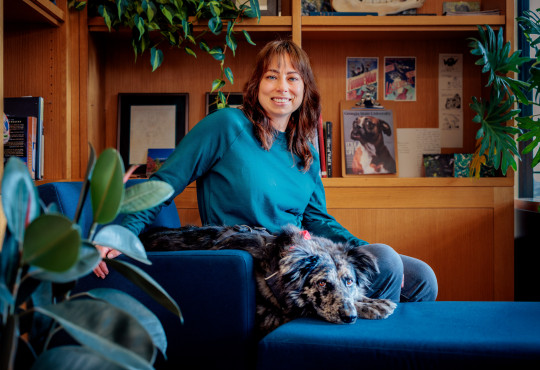
Evolutionary biologist Erin Hecht on the ancient breed that can fine-tune according to surrounding sound

Economics paper reveals common ground and tools with big potential to reduce harm
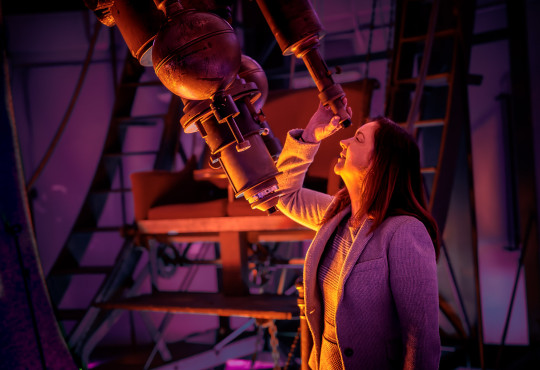
Harvard astrophysicists developed a new method of “chemical archaeology” to reconstruct the history of distant galaxies by mapping the distribution of oxygen.

Andrew Knoll previews his new book on the 4-billion-year “conversation” between Earth and life — and recent interruptions by humans
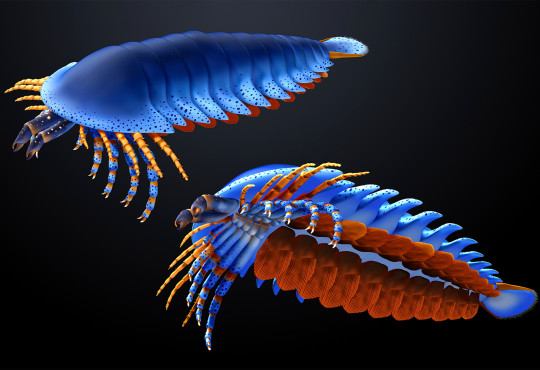
“I had just exposed the oldest chelicera ever found.”
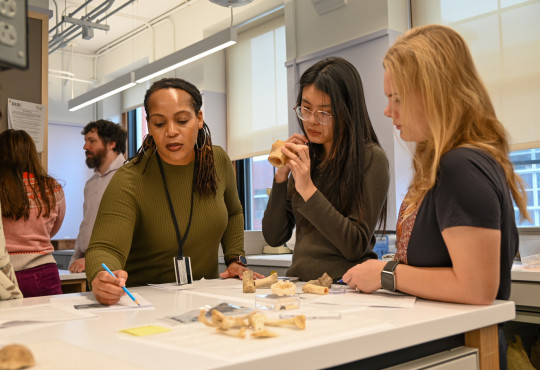
Shayla Monroe, assistant professor of archaeology, renovated the space with an eye to honoring its storied collection.
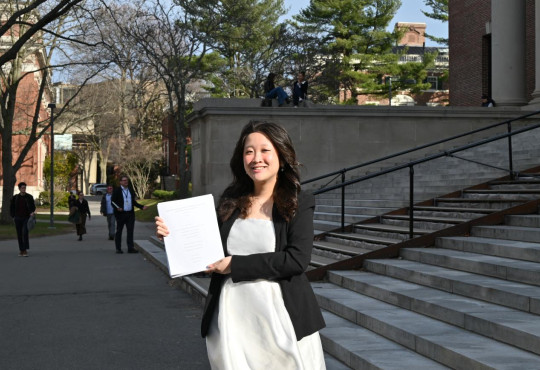
Communication has always been the thread tying the story of Lani Tran ’26 together. For her senior thesis in biomedical engineering, Tran turned that concept into action by designing a collaborative feedback system that helps healthcare providers improve patient care. Originally from the small town of Alhambra, Calif., Tran arrived at Harvard with an inkling that she wanted to pursue science.
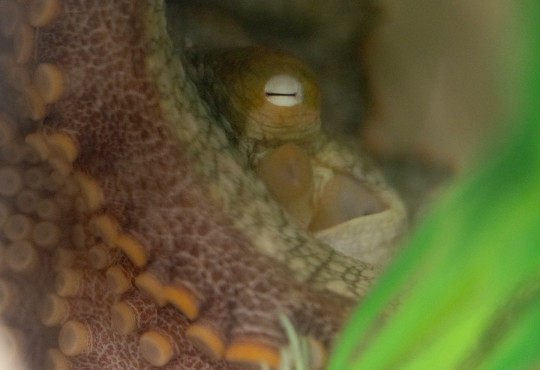
Study discovers how species uses “taste by touch” sensory system to feel out potential mates