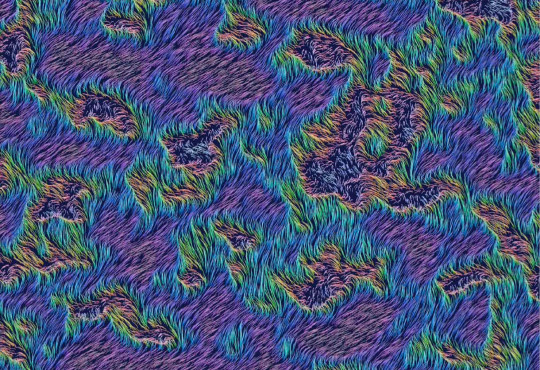
At minus 421 degrees, scientists capture structure of elusive chemical compound
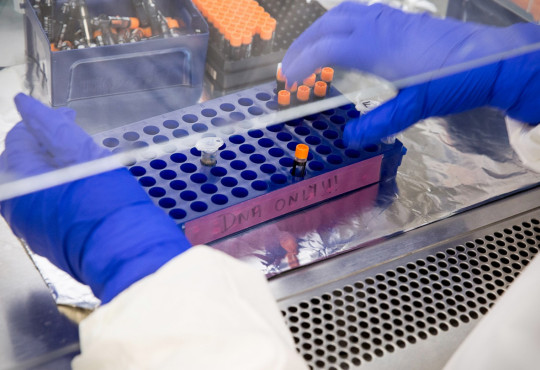
A team from The Rowland Institute at Harvard has uncovered complex nanoscale orders in a chemical compound that has long mystified researchers when exposed to extreme cold.
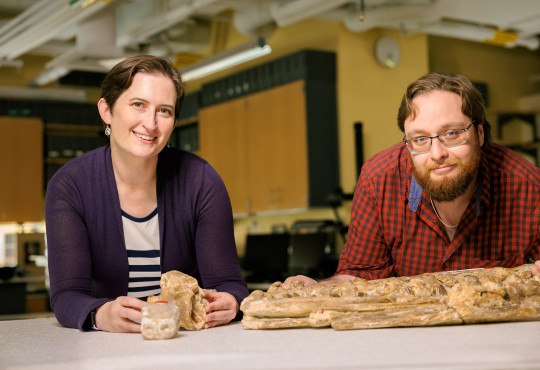
How a giant predator of prehistoric seas was discovered — twice
After 80 million years, a giant fossil jaw has quite a story to tell. Back in the age of the dinosaurs, Tylosaurus proriger was a fearsome predator — a bus-sized aquatic reptile with a crushing snout, daggerlike teeth, and knack for swallowing prey whole. How its bones wound up at Harvard is a tangled yarn involving a Wild West stagecoach station, the early western railroads, the infamous “Bone Wars” between rival fossil hunters, and a founding scholar of natural history.
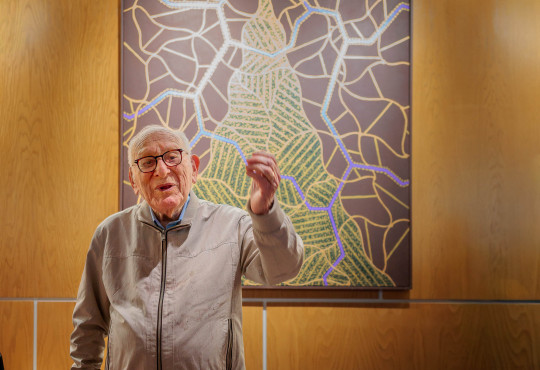
At age 101, alum gifts ‘big, geometric, colorful’ artwork to the FAS
When David Bakalar first set foot at Harvard, he was a 17-year-old child of immigrants commuting by bus from Lynn, Mass., his $500 “nonresident scholarship” covering tuition and a study space at Leverett House but not room and board.
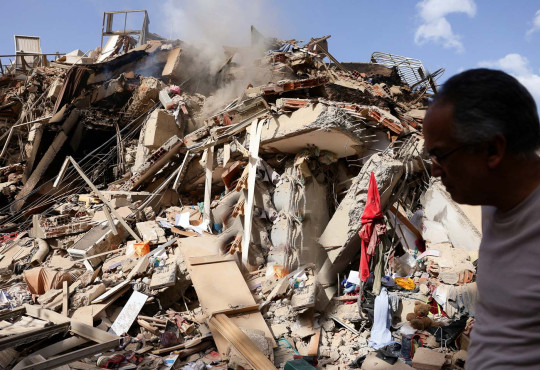
The smartphone system that detected seismic activity and saved lives in Venezuela
An earthquake alert system mines data from billions of Android phones, the most common smartphone in the world, and easily the most popular in less wealthy nations.
David Reich on migration, mixed ancestries, and ancient DNA
Drawing on data from over 50,000 genetic samples, Reich’s research shows that the people living in a place today are almost never the direct descendants of the people who lived there before.
How the brain decides where to insulate its own wiring
A new study by takes a step toward illuminating brain development and providing clues that may lead to therapies for devastating neurological disorders.
The leading chemist, who studies porous materials for energy and sustainability, will serve as the inaugural Thomas C. Foley Professor of Energy and the Environment beginning January 1, 2027.